I decided that it was time I took the bull by the horns. My partner and now husband of 13 years has cancer....a particularly painful form. I am basically the sole caregiver, though we have Hospice and his nephews are helping out. My nerves are shot, and I have been eating to make up for all that John is NOT eating. I cannot envision a life without John. But you did not start reading this to hear about my troubles.
I thought that I had better get back on track with a Mediterranean diet. Also, I expect to be on a more restricted diet...budget-wise, so I limited myself to $50.00 for a week. I could easily have dropped this down to half that as it turns out.
The Mediterranean diet is fairly easy and not TERRIBLY expensive with a couple of exceptions. I figured that this would be a good trial run, as I hope to retire to Italy, and guess what they eat there!?
Fruits and vegetables, pasta(whole wheat would be good though not necessarily traditional), legumes, fish, garlic and olive oil are hallmarks of the diet there. Protein, other than the fish, comes from eggs and tiny amounts of meat, used more as a flavoring than as a slab of flesh. A glaring exception to this rule is the Chianina beef steaks. They are a T-bone...of course there are other cuts.. which is cut like 3 inches thick...barely heated through over a bed of coals, and served sliced from flat side to flat side about 3/4 of an inch thick. Absolutely a luxury dish in Tuscany.
I bought:
1 can of Chick peas(dried beans and peas are cheaper by far, but I do not have the time this week to deal with them..to be honest, I do not know what I would do with a whole pot of these.. I have enough trouble getting through a can on my own unless I am making soup.).
1 can of white Cannelini beans
2 Red Bell Peppers (I had a small bag of mini peppers in the refrigerator)
Onions
Small Potatoes about 20 red skin minis.
4 apples
Half a pound of Prosciutto Crudo
1 pound of frozen bay scallops
2 fillets of sole
6 sweet sausages
2 baby zucchini
1 dozen eggs
1 bunch of Asparagus
1 bottle of capers in brine(dry salted are better, but not as easily available)
1/2 pound of mixed olives
1 ball of Mozzarella
1 pound bag of carrots
1 jar of Romano cheese(I would usually grate my own, but I was trying to do one weeks worth of food at one time instead of buying a big piece)
2 heads of garlic
figs
1 small container of Gorgonzola
1 pound of Spaghetti
(I had flour and whole wheat flour at home)
2 pounds of Plum tomatoes
1 loaf of wheat bread.
Fruit juices
1 container of pesto
Alternatives for me would include:
Calamari, swordfish, tuna(canned or fresh), cod or salt cod, shrimp, Eggplant, Cauliflower, Broccoli, Savoy cabbage, radicchio, pears, lentils, Pancetta, Salami, Chicken, pepperoni, olive oil, grapes and raisins. dates, citrus fruit, Aged Provolone, Fontina.
I roasted a whole lasagna pan full of Italian vegetables in olive oil salt and pepper and whole cloves of garlic. I will use them bit by bit all week in various combinations to save work. Sometimes I add balsamic vinegar.
Day one, Tuesday:
1 Egg and grilled peppers in a bread frame.
Sole covered in chopped black olives, chopped tomato, capers, chopped onion and a few Tablespoons of left over marinara, baked and served with a few spears of roasted Asparagus, and about a cup of pasta.
I was nervous about a health care issue for John late in the day, so I had a big piece of chocolate cake...Damn...I made up for it by having a big apple for supper.
Day two Wednesday:
No breakfast...that is my norm.
I baked fresh whole wheat rolls and filled them while hot, with roasted vegetables (I made a lasagna pan full the previous day) and Prosciutto.
1 sausage, a cup of pasta with pepper and Romano cheese and roasted veggies with a bit of Romano cheese.
Day three Thursday:
1 cup of whole grain cereal
A three egg omelet with grilled onions, red peppers and one sliced sausage.
Left over fillet of sole as above.
Day four Friday:
A broiled open face sandwich ,wheat roll, baby figs, walnuts and goat cheese with Prosciutto. Drizzle with honey. I do not like honey as a rule, but this is wonderful.
1 cup of spaghetti with Gorgonzola sauce and roasted vegetables.
I cup of whole grain cereal with almonds
One apple
Day five Saturday:
Whole grain cereal
A Fritatta made with three eggs, roasted vegetables, a cup of Pasta and a bit of Parmesan cheese. Heat the veggies and pasta in the pan and pour the beaten egg with a little water into the pan to cover. Fry on both sides.
Apple and Prosciutto ham. Olives, marinated mushrooms and rounds of grilled bread drizzled with olive oil topped with roasted asparagus.
Here I ran into a road block. John wanted Pizza and felt a little, left out, of the routine, so I went off the TRUE PATH and ate with him and made pizza(not really a variation on the Mediterranean, but the volume and toppings sidetracked me)...back to the routine tomorrow, or when I regain my composure and resolve. I will continue with the days as if they were in sequence. Just like an alcoholic...It is best to confess your sins!!!
Day six Sunday:
Whole wheat cereal
Hard boiled egg, toasted whole wheat bread, rubbed with a clove of garlic...served with warm white bean Hummus, chopped tomato and red pepper.
Apple, ham and toasted Italian bread.
Day seven Monday:
Whole wheat cereal
1/2 cup of Grilled bay scallops in olive oil with garlic. Served with pasta and a more or less, fresh sauce of chopped tomatoes and asparagus.
Grilled vegetables, potatoes and prosciutto.
Left over from my purchase,
I have half a bag of scallops, one cup of bean hummus, most of a bag of onions, a can of chick peas, one tomato, 1 red pepper, most of a container of pesto, the ball of mozzarella, most of the olives, 3/4 bag of carrots, half of the Gorgonzola, and a number of other scraps and odd and ends.
Obviously, I did not lose any weight, but I feel better knowing that it is possible to live on far less than $50.00 and I know that that week of food was very healthy compared to my normal fare. Perhaps this proves that I will be able to eat during my retirement years...I knew I would have to cut something...I was hoping it was not going to be food!!!
Additional meals:
Roasted potatoes carrots and peppers in oil, served with several slices of Genoa Salami and two slices of bread with Parmesan.
Steam half a bunch of asparagus(that was just what appealed to my pocket book and my craving this week...could be green beans, broccoli florets etc... cut them into two inch pieces. Saute half an onion minced, in plenty of olive oil. Add one chopped tomato, and three slices of chopped Prosciutto crudo... cook till the tomato and onion have softened. Add the Asparagus and 2 cups of cooked pasta shells. When all is heated through, add Parmesan and serve.
Thursday, February 27, 2014
Monday, February 3, 2014
The Best Roast Beef Ever
I used to make a lot of roasts. John and I have gotten sick of the rapid fire "turkey holidays". For several years, we have done rib roasts for Christmas, and have always been thrilled with the results.
Mom always coated roasts with flour, salt, pepper and other seasonings, then roasted the meat at a high temp to start and finished it slow. We usually had Eye of the Round though...tough, but great flavor. John hates the tough texture though, so the Rib Roast was the roast of choice.
However....I doubt if I will ever do a Rib Roast again!
I have discovered the charms of the New York Strip Roast. This is just an uncut version of the New York Strip steak. This is not a cheap cut, and you will choke when you see the price, but if it is well trimmed, it is still a good value. see below.
It really is best if you buy a meat thermometer, and understand that about 145 leaves you with Medium Rare beef. I like a bit more well done, and John's family is into still screaming beef!
Adjust as required.
The roast is quick and easy to do. It is a rather flat roast, and you really don't think it will feed anyone. It looks small for the servings it yields. We served six people on the day of John's sister's party. We served three the following day reheated. There is enough in the four and a half pound roast I bought for at least four more people!
So, that makes 13 people served, out of a 4.5 pound roast! It does not stay in the oven very long. It has very little waste. There is a line of gristle on one side, and you have to ask the butcher to trim a lot of the fat, or do it yourself. There is a single solid layer on one side. Mine had a generous layer, and still worked out well for servings.
Take the trimmed roast and lay it in a roasting pan with the fat side up.
Generously coat the entire roast with butter or olive oil.
Salt and pepper the entire roast and give it a nice sprinkling of Thyme.
If desired, try a bit of dried garlic, or massage the roast with a couple of crushed garlic cloves. The paste of garlic should be massaged deep into the meat. Any amount left on the surface could burn.
Place the roast in a 500 degree oven for about fifteen minutes, or till seared all over. But keep an eye on it and leave it in till the color suits you.
Reduce the temperature of the oven to 300 degrees,
Roast for about 20 minutes and begin checking the temperature at the thickest part of the meat.
When it reaches temperature, remove the roast to a platter and cover loosely with foil. Allow to rest for about 20 minutes.
Meanwhile, the roast does not produce a ton of liquid. But you may have a nice fond on the pan to add water or wine to get the makings of a good gravy.
My sister just put her pan drippings and pan directly over the flame and thinned it down with water or wine. She began whisking the liquid and sifting in flour till it thickened to taste.
I like caramelizing onions and mushrooms in butter..3 T of butter. Brown, then add water, reduce, brown, thin again and reduce till you just have onions, mushrooms and butter, and no water.
Then I add three tablespoons of flour and a bit of Thyme and allow it to fry till just till colored slightly.
Thin the roux you have just made with the pan drippings and extra broth, wine or water. Taste for salt and pepper.
Keep warm till time to serve. Sift in a bit of flour and whisk till thick if it is too thin.
Big pieces of meat can be done similarly if you like a nice even color. You can sear just as well in a frying pan, then put the meat in a low oven to finish.
Mom always coated roasts with flour, salt, pepper and other seasonings, then roasted the meat at a high temp to start and finished it slow. We usually had Eye of the Round though...tough, but great flavor. John hates the tough texture though, so the Rib Roast was the roast of choice.
However....I doubt if I will ever do a Rib Roast again!
I have discovered the charms of the New York Strip Roast. This is just an uncut version of the New York Strip steak. This is not a cheap cut, and you will choke when you see the price, but if it is well trimmed, it is still a good value. see below.
It really is best if you buy a meat thermometer, and understand that about 145 leaves you with Medium Rare beef. I like a bit more well done, and John's family is into still screaming beef!
Adjust as required.
The roast is quick and easy to do. It is a rather flat roast, and you really don't think it will feed anyone. It looks small for the servings it yields. We served six people on the day of John's sister's party. We served three the following day reheated. There is enough in the four and a half pound roast I bought for at least four more people!
So, that makes 13 people served, out of a 4.5 pound roast! It does not stay in the oven very long. It has very little waste. There is a line of gristle on one side, and you have to ask the butcher to trim a lot of the fat, or do it yourself. There is a single solid layer on one side. Mine had a generous layer, and still worked out well for servings.
Take the trimmed roast and lay it in a roasting pan with the fat side up.
Generously coat the entire roast with butter or olive oil.
Salt and pepper the entire roast and give it a nice sprinkling of Thyme.
If desired, try a bit of dried garlic, or massage the roast with a couple of crushed garlic cloves. The paste of garlic should be massaged deep into the meat. Any amount left on the surface could burn.
Place the roast in a 500 degree oven for about fifteen minutes, or till seared all over. But keep an eye on it and leave it in till the color suits you.
Reduce the temperature of the oven to 300 degrees,
Roast for about 20 minutes and begin checking the temperature at the thickest part of the meat.
When it reaches temperature, remove the roast to a platter and cover loosely with foil. Allow to rest for about 20 minutes.
Meanwhile, the roast does not produce a ton of liquid. But you may have a nice fond on the pan to add water or wine to get the makings of a good gravy.
My sister just put her pan drippings and pan directly over the flame and thinned it down with water or wine. She began whisking the liquid and sifting in flour till it thickened to taste.
I like caramelizing onions and mushrooms in butter..3 T of butter. Brown, then add water, reduce, brown, thin again and reduce till you just have onions, mushrooms and butter, and no water.
Then I add three tablespoons of flour and a bit of Thyme and allow it to fry till just till colored slightly.
Thin the roux you have just made with the pan drippings and extra broth, wine or water. Taste for salt and pepper.
Keep warm till time to serve. Sift in a bit of flour and whisk till thick if it is too thin.
Big pieces of meat can be done similarly if you like a nice even color. You can sear just as well in a frying pan, then put the meat in a low oven to finish.
Sunday, January 5, 2014
Spicchiteddi della Nonna Maria Picone from Maria Taranto
Spicchiteddi della Nonna Maria Picone
Set oven to 350 F
Ingredients
3 cups flour
1 tsp baking powder
1 tsp baking soda
3 tbsp sugar
1 tsp blk pepper ground
1/2 tsp cloves ground
1-2 tsp cinnamon ground
1/3 cup diced candied citrus peel
3/4 cup molasses or vino cotto
Pieces of walnuts for garnish
Preparation
Combine dry ingredients in a large bowl. Add citrus peel. Make a well in dry ingredients and add molasses ( or vino cotto). Knead until dough becomes smooth and shiney, less than five minutes. Cut off pieces of dough enough to make a rope about 6 inches long and about 3/4 inch thick. Flatten slightly. From one short end cut three parallel slits towards the center of the rope so that you have three "arms." Turn the rope around and do the same at the other end. Now twist the arms into spirals, in the same or opposite directions. Be creative. Your cookies will look a bit like curly cues or sea urchins, etc. Press a piece of walnut into the center of the cookie or wherever there is a space. With spatula place on baking sheets covered with parchment paper or greased with oil. Bake from 7-10 minutes. Do not overcook or you will have rocks to eat. Cookies get harder as they cool and age. Place in a tight container to store. Best Luck!
Maria Taranto
Maria adds that her grandmother used ground ginger instead of the cinnamon and cloves.
Friday, December 27, 2013
Heart Healty
There are a few of things that will practically guarantee a danger of heart disease. Live in America...that is the big one!
The Mediterranean diet is fairly heart healthy. Italians like my mother and her family are not heart disease free, but the odds are fairly low. As we Americans export our food habits overseas, we tend to add a little gift of heart disease along with it.
Eat lots of fat to get a nasty heart condition.
We can probably boast one of the healthiest fats there is in our Italian diet. That is olive oil. Most foods contain a bit of fat, even things as unlikely as onions. Try to steam foods, boil them, or grill them on an open fire or a dry or lightly olive oil brushed, grill pan, instead of frying. We need about a tablespoon of fat a day just to function, so do not be a fanatic.
Choosing good, or at least better fats will go a long way toward remaining healthy. Fish oils are pretty good as well.. Omega three oils are in a number of fish. Before dropping all the bad meats, find out on the Internet, which fish have high, heavy metal content so you can avoid them.
Eat a lot of red meat for better chances of a heart problem.
Our relatives did not eat all of this beef and pork or even chicken. These were all very special treats and the meat was hard to get and hard to store. Wild game would have been more likely in their diets...you know the ones that have little fat in them. Fish would be more common too. Eat meat on Sunday or on holidays and special occasions...like when the priest visits... Let him get heart disease!
If you must eat meat, make the portions small....no more than three ounces a day and lean at that. Lean meats, long cooked, tend to be tastier as well, though fat does add flavor, save the fat for the TV chefs and the restaurants.
Cook a few vegetables on a grill pan, then remove them and grill a bit of meat on the same pan without any more fat...lower the temperature as soon as you get color on the meat.
Stew meats after grilling in their own fat, then drain off the fat and add veggies.
Cook meats at about 185 degrees to make tough cuts tender. Also, do not raise internal temperatures of meat above the recommended internal temperature to make them safe to eat. They will stay moister and more tender that way.
Toss pasta in chopped Broccoli or Cauliflower instead of meat sauces. Be especially vigilant, and remove the fat from tomato sauce before serving it, because you do not think of how bad it is in sauce because it is simmered in liquid. We tend to think it will automatically be healthy. Let the sauce cool, skim off fat, then reheat. Frozen vegetables are a good and cheaper alternative to expensive fresh.
Eat plenty of sugar to end it all quickly.
I have a sweet tooth, and I have to admit it. but you(and I) have to cut it out. The old timers did not eat that much sugar. European sweets are remarkably less sweet than here in general. But sugar and honey, boiled down wine, etc. , were not cheap, and most of us were not wealthy. Sugary sweets were, again, for special occasions. Probably like the red meat. Italians did not do sugary tea party treats like in England. What sugars were common were the ones in dried fruits etc..
Sunday is also a good day for these sweets.
Have a little red wine...dilate your blood vessels a bit...it helps if not in excess. People did not get big glasses of alcohol in most homes...We had thimble sized glasses of Anisette etc.. A skim on the bottom of a snifter is enough...Mmmm...Malvasia! The rule in my house was: Sip...just wet your lips and tongue...don't gulp it.
The Mediterranean diet is fairly heart healthy. Italians like my mother and her family are not heart disease free, but the odds are fairly low. As we Americans export our food habits overseas, we tend to add a little gift of heart disease along with it.
Eat lots of fat to get a nasty heart condition.
We can probably boast one of the healthiest fats there is in our Italian diet. That is olive oil. Most foods contain a bit of fat, even things as unlikely as onions. Try to steam foods, boil them, or grill them on an open fire or a dry or lightly olive oil brushed, grill pan, instead of frying. We need about a tablespoon of fat a day just to function, so do not be a fanatic.
Choosing good, or at least better fats will go a long way toward remaining healthy. Fish oils are pretty good as well.. Omega three oils are in a number of fish. Before dropping all the bad meats, find out on the Internet, which fish have high, heavy metal content so you can avoid them.
Eat a lot of red meat for better chances of a heart problem.
Our relatives did not eat all of this beef and pork or even chicken. These were all very special treats and the meat was hard to get and hard to store. Wild game would have been more likely in their diets...you know the ones that have little fat in them. Fish would be more common too. Eat meat on Sunday or on holidays and special occasions...like when the priest visits... Let him get heart disease!
If you must eat meat, make the portions small....no more than three ounces a day and lean at that. Lean meats, long cooked, tend to be tastier as well, though fat does add flavor, save the fat for the TV chefs and the restaurants.
Cook a few vegetables on a grill pan, then remove them and grill a bit of meat on the same pan without any more fat...lower the temperature as soon as you get color on the meat.
Stew meats after grilling in their own fat, then drain off the fat and add veggies.
Cook meats at about 185 degrees to make tough cuts tender. Also, do not raise internal temperatures of meat above the recommended internal temperature to make them safe to eat. They will stay moister and more tender that way.
Toss pasta in chopped Broccoli or Cauliflower instead of meat sauces. Be especially vigilant, and remove the fat from tomato sauce before serving it, because you do not think of how bad it is in sauce because it is simmered in liquid. We tend to think it will automatically be healthy. Let the sauce cool, skim off fat, then reheat. Frozen vegetables are a good and cheaper alternative to expensive fresh.
Eat plenty of sugar to end it all quickly.
I have a sweet tooth, and I have to admit it. but you(and I) have to cut it out. The old timers did not eat that much sugar. European sweets are remarkably less sweet than here in general. But sugar and honey, boiled down wine, etc. , were not cheap, and most of us were not wealthy. Sugary sweets were, again, for special occasions. Probably like the red meat. Italians did not do sugary tea party treats like in England. What sugars were common were the ones in dried fruits etc..
Sunday is also a good day for these sweets.
Have a little red wine...dilate your blood vessels a bit...it helps if not in excess. People did not get big glasses of alcohol in most homes...We had thimble sized glasses of Anisette etc.. A skim on the bottom of a snifter is enough...Mmmm...Malvasia! The rule in my house was: Sip...just wet your lips and tongue...don't gulp it.
Tuesday, December 24, 2013
Bill Mitchell's Version of Apple Dumplings.
I do not believe that I have not posted these earlier. I guess that since I lost the original recipe for the syrup, that I have not had the confidence to do my own half-assed version.
I made them today and they came out perfectly for a Christmas Eve lunch with John's family.
Soooooo...Here goes.
This is a very old fashioned dessert, so do not be surprised when I tell you to boil pastry. Some people try to avoid the soggy bottom of the crust, and go to all sorts of lengths to make hybrids, like apples cooked in pastry with sauce poured over it. No, you have to have it the old way...at least the first time. Dumplings by definition are soggy masses. This, however, has a thick brown and crisp topped crust with the soggy bottom swimming in syrup.
Pastry:
5 cups flour
1 1/2 cups shortening 1 hour in the freezer and cut up into chunks.
1 t salt
1 T sugar
1 cup water icy cold
Mix the salt flour and sugar.
Cut in the shortening with a pastry cutter or use your fingers to smear or pinch the shortening into the flour till it resembles soft bread crumbs and there are still tiny bits of shortening showing here and there.
Add the water, a few tablespoons at a time. Toss the mixture with a fork trying to incorporate the water without getting big wet spots. Repeat till all the water is in and the dampness is evenly distributed. Press the mass together into a log without over working it.
Cover tightly and chill for an hour or so. and bring back to cool room temp.
Cut the log into 8 pieces. As you use them, roll each out on a pastry board or marble slab into a rough triangle.
Cut 4 very large Granny Smiths or Cortland apples in half after peeling. Try to use an apple that will not readily cook to a mush...avoid Macintosh.
Use a melon baller or a spoon or knife to cut out the seeds and membranes. A grapefruit spoon works well.
Press a small amount of chopped pecans or walnuts into the hole along with a candied or Maraschino cherry if you have them.
Smear 1 T butter over the hole to hold the filling in the hole.
Mix 2 T cinnamon, a pinch of clove, 1/2 t ginger, 1/4 t nutmeg into a cup of brown sugar.
Put a generous tablespoon of the sugar mixture over the butter and wrap the whole thing in a piece of the pastry.
I dip the bottom of the apple in flour to help contain the juices inside the pastry. Lay the rounded part of the apple in the center of a triangle of dough.
Brush all the edges with a bit of ice water. Bring the points up to the center over the apple and pinch the seams together wet side to wet side. Seal up the pastry by pinching together any way you can the first time. You can figure out the neat way of doing it the third or fourth time you do it.
Lay in a lightly greased lasagna pan. Fill the pan with the dumplings but try not to let them touch. If you run out of room, do more in a loaf pan.
Brush the tops and especially the seams with beaten egg.
Bake for 10 to 15 min in a 375 degree oven.
Pour syrup around the apples in the pan and continue to cook up to 35 minutes or until a skewer meets no resistance when you pierce the apple inside. The syrup should come about 1/3 to 1/2 way up the side of the dumplings.
Brush occasionally while baking with some of the syrup to form a glaze. Allow to cool before serving, but make sure they are warm when removing from the pan as the syrup can harden. Warm over in the oven or microwave to serve with ice cream, milk, whipped cream or cream.
Syrup:
3 cups water.
1 cup brown sugar
1 1/2 cups sugar
2/3 cup Caro light or dark syrup
1/3 cup butter
add any left over spices or sugar not used in the filling.
Boil five minutes till all the sugar is dissolved.
If this does not remind you of wood stoves, long tables surrounded by farm hands and family, Christmas, Thanksgiving and grandmothers, then nothing will!
I am truly sorry I do not have a photo, but they were gone before I had a chance!!!!
I made them today and they came out perfectly for a Christmas Eve lunch with John's family.
Soooooo...Here goes.
This is a very old fashioned dessert, so do not be surprised when I tell you to boil pastry. Some people try to avoid the soggy bottom of the crust, and go to all sorts of lengths to make hybrids, like apples cooked in pastry with sauce poured over it. No, you have to have it the old way...at least the first time. Dumplings by definition are soggy masses. This, however, has a thick brown and crisp topped crust with the soggy bottom swimming in syrup.
Pastry:
5 cups flour
1 1/2 cups shortening 1 hour in the freezer and cut up into chunks.
1 t salt
1 T sugar
1 cup water icy cold
Mix the salt flour and sugar.
Cut in the shortening with a pastry cutter or use your fingers to smear or pinch the shortening into the flour till it resembles soft bread crumbs and there are still tiny bits of shortening showing here and there.
Add the water, a few tablespoons at a time. Toss the mixture with a fork trying to incorporate the water without getting big wet spots. Repeat till all the water is in and the dampness is evenly distributed. Press the mass together into a log without over working it.
Cover tightly and chill for an hour or so. and bring back to cool room temp.
Cut the log into 8 pieces. As you use them, roll each out on a pastry board or marble slab into a rough triangle.
Cut 4 very large Granny Smiths or Cortland apples in half after peeling. Try to use an apple that will not readily cook to a mush...avoid Macintosh.
Use a melon baller or a spoon or knife to cut out the seeds and membranes. A grapefruit spoon works well.
Press a small amount of chopped pecans or walnuts into the hole along with a candied or Maraschino cherry if you have them.
Smear 1 T butter over the hole to hold the filling in the hole.
Mix 2 T cinnamon, a pinch of clove, 1/2 t ginger, 1/4 t nutmeg into a cup of brown sugar.
Put a generous tablespoon of the sugar mixture over the butter and wrap the whole thing in a piece of the pastry.
I dip the bottom of the apple in flour to help contain the juices inside the pastry. Lay the rounded part of the apple in the center of a triangle of dough.
Brush all the edges with a bit of ice water. Bring the points up to the center over the apple and pinch the seams together wet side to wet side. Seal up the pastry by pinching together any way you can the first time. You can figure out the neat way of doing it the third or fourth time you do it.
Lay in a lightly greased lasagna pan. Fill the pan with the dumplings but try not to let them touch. If you run out of room, do more in a loaf pan.
Brush the tops and especially the seams with beaten egg.
Bake for 10 to 15 min in a 375 degree oven.
Pour syrup around the apples in the pan and continue to cook up to 35 minutes or until a skewer meets no resistance when you pierce the apple inside. The syrup should come about 1/3 to 1/2 way up the side of the dumplings.
Brush occasionally while baking with some of the syrup to form a glaze. Allow to cool before serving, but make sure they are warm when removing from the pan as the syrup can harden. Warm over in the oven or microwave to serve with ice cream, milk, whipped cream or cream.
Syrup:
3 cups water.
1 cup brown sugar
1 1/2 cups sugar
2/3 cup Caro light or dark syrup
1/3 cup butter
add any left over spices or sugar not used in the filling.
Boil five minutes till all the sugar is dissolved.
If this does not remind you of wood stoves, long tables surrounded by farm hands and family, Christmas, Thanksgiving and grandmothers, then nothing will!
I am truly sorry I do not have a photo, but they were gone before I had a chance!!!!
Wednesday, November 27, 2013
How to Poach an Egg
I have always hated poaching eggs. This is made more complicated because I would not eat one if my life depended on it. I cannot stand any part of the egg being less than hard cooked. Over the years, I have learned how to do them because others like them that way. the one weakness in my method has nothing to do with the recipe, but rather my own taste taking over, I never trust myself to get them cooked to the proper doneness...I always have to ask the recipient to look at them to make sure. That is my issue. If you do enough of them and eat them yourself, you should not have a similar problem.
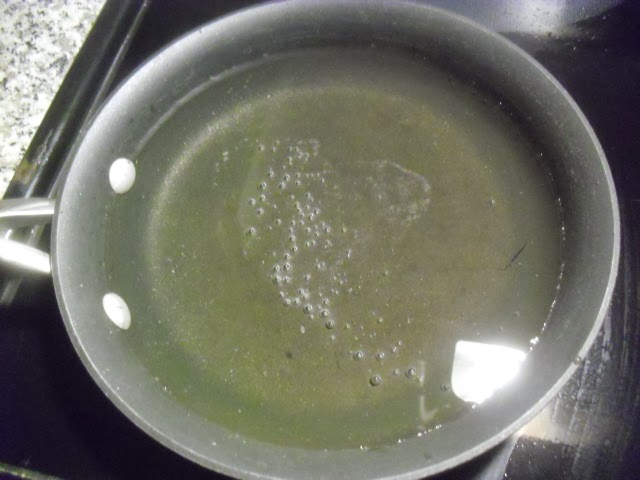
I use a non stick skillet. the shallow water and ease of approaching the surface with your hands make much more sense than a deep pan. The non stick will help release the egg from the bottom if it touches...and it usually does a bit.
Bring the water just to a simmer. Too violent a boil will scramble the eggs in the water.
Add a tablespoon of white vinegar to the water. A flavored vinegar would work, but it may add a flavor that you may not like.
When it is simmering you are ready, lower the heat and wait a second or two if it is boiling too fast.
Break the egg into the water. The shell should be just touching the water when you break it and allow the egg to drop into the water.
As the egg begins the go opaque, spoon some of the water over the yolk area of the egg to set and cook the top of the egg a bit. You may have to repeat this a couple of times.
when the entire egg seems close to being set, but not cooked at the top, use a spatula to just release the egg from the bottom of the pan and floats freely.
When the top of the egg is opaque from the hot water spooned over it, and your designated eater approves, lift the egg out with a slotted spoon. you can lay the egg on paper towel to absorb the excess water.
The egg white should be completely cooked through, but the yolk should still be soft to liquid, according to the taste of the person who will eat it.
If you like, you can float a number of cooked eggs in ice water for a time. Make a dozen or so at a time if needed and hold them in the water. When it is almost time to serve, just float them in good hot water till heated through only.
Now, serve several of them over a plate of hot spaghetti, on a bed of roasted multi colored peppers and sausage!
Saturday, September 14, 2013
Janice Cafarella Crossen and My Wedding Cake.
Janice arrived with he husband Ken, who has been dutifully tasting the cake and filling as she worked.
Ken carried the major construction project into our house today, about 11 hours before the wedding. Thank you Janice this was a big job and very kind of you to do, especially just after the death of your father Rudy on 9-11-2013.
I have a long list of exceptions to the current rules in cake...
No fondant(I got just a few pearls at the bottom of each layer.).
Butter cream frosting
Grand Marnier flavoring in the filling
and an All White Cake.
there is just a tinge of yellow as she used butter for the frosting, but after that...All white.
Ken carried the major construction project into our house today, about 11 hours before the wedding. Thank you Janice this was a big job and very kind of you to do, especially just after the death of your father Rudy on 9-11-2013.
I have a long list of exceptions to the current rules in cake...
No fondant(I got just a few pearls at the bottom of each layer.).
Butter cream frosting
Grand Marnier flavoring in the filling
and an All White Cake.
there is just a tinge of yellow as she used butter for the frosting, but after that...All white.
Subscribe to:
Posts (Atom)